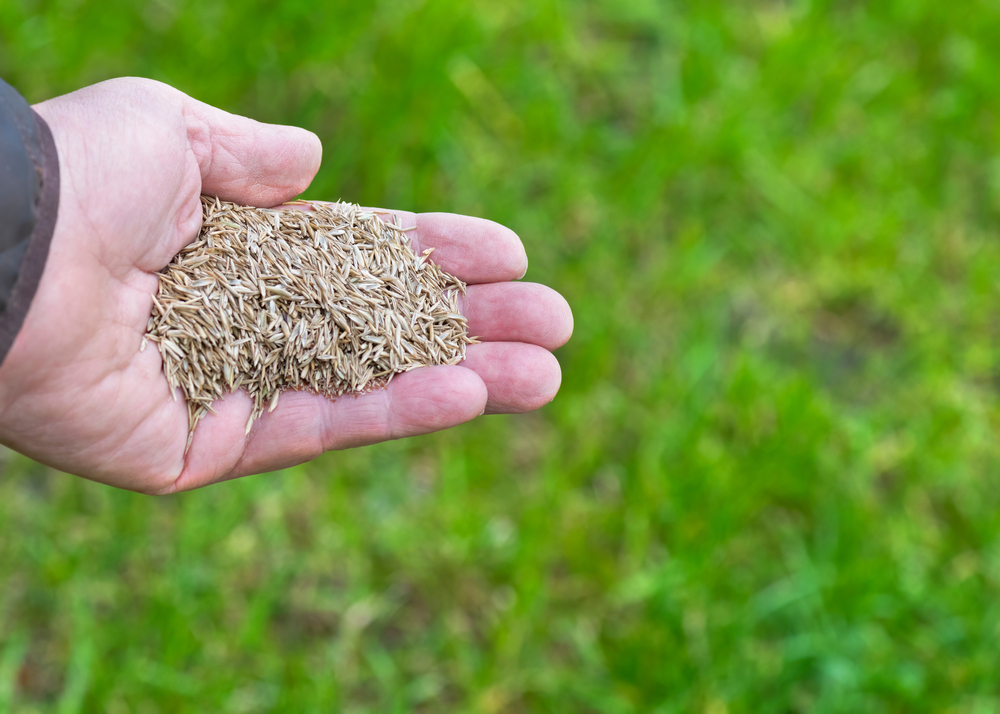
Lawns naturally thin over time due to foot traffic, weather stress, weeds, and seasonal changes. Even properties that receive regular care can develop bare spots and uneven growth. That’s why for so many homeowners in Decatur, IL, lawn overseeding is such an effective solution for restoring density and improving overall turf health.
However, overseeding success depends heavily on choosing the right type of grass. Not all grass varieties perform well in central Illinois conditions, and the wrong seed choice can lead to patchy results, weak growth, or increased maintenance needs. Understanding which grasses thrive locally helps ensure long-term improvement rather than short-term fixes.
What should you evaluate before choosing grass for overseeding?
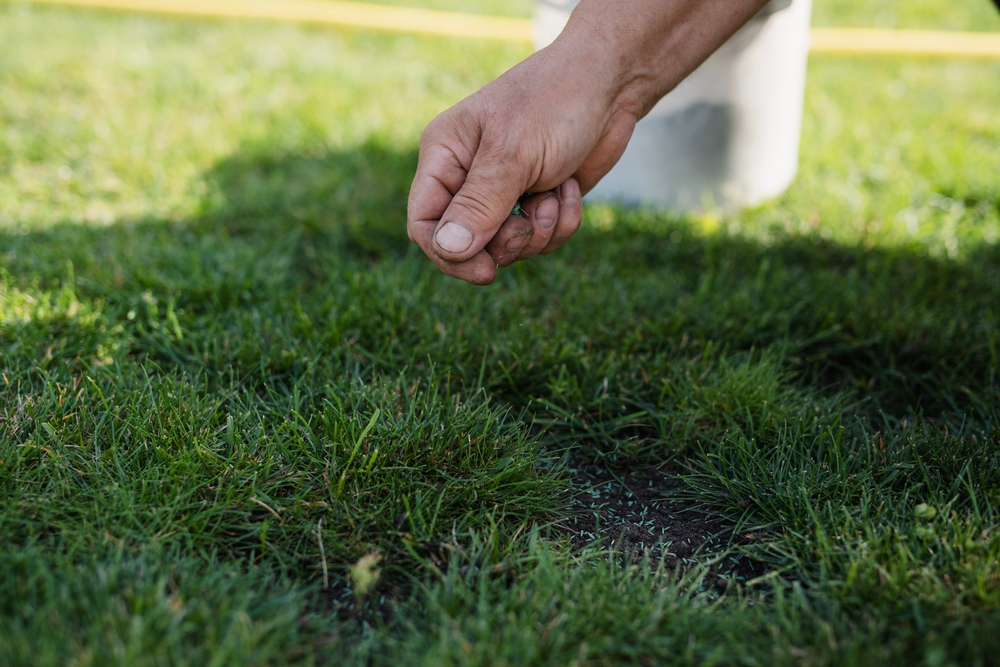
Before you decide on seed, take a quick inventory of what you’re working with. A few minutes of evaluation can save weeks of frustration later, and it helps you choose the best lawn seed for overseeding for your specific property.
- Existing turf type and problem areas
Start by looking at your current turf. Many lawns in Decatur are made up of cool-season grasses—often some combination of Kentucky bluegrass, perennial ryegrass, and tall fescue. Overseeding works best when the new seed blends well with what’s already there.
Next, identify where the lawn is failing.
- Are thin spots showing up along sidewalks where heat reflects?
- Do shady areas under trees never fully fill in?
- Are pets and foot traffic wearing down the same paths?
These patterns help determine whether you need faster establishment, more shade tolerance, or better wear resistance when planning lawn overseeding in Decatur, IL.
- Soil condition, compaction, and thatch
Seed needs contact with soil to germinate and establish roots. If your lawn has heavy thatch (a spongy layer of dead material) or compacted soil, seed can dry out before it sprouts. Core aeration is often the best fix because it opens the soil surface, reduces compaction, and creates pockets where seed can settle.
If thatch is thick, dethatching or power raking may be needed before aeration so seed can actually reach soil. After seeding, a starter fertilizer can help early root growth, but avoid heavy nitrogen that forces top growth before roots are ready.
This prep step is a big reason professional overseeding tends to outperform DIY attempts. Even the best grass seed for overseeding won’t perform well if it can’t reach soil or if water and oxygen can’t move through the ground.
- Sun exposure and watering realities
Pay attention to how much sun different parts of your yard get. Full-sun areas can support more varieties, while shade requires seed that tolerates lower light. Also, be honest about watering.
New seed needs consistent moisture during germination, which usually means light watering once or twice a day for a short period. If that schedule isn’t realistic, it’s smart to choose more resilient seed that can handle small misses without failing. Once seedlings are up, gradually shift to deeper, less frequent watering to encourage roots to chase moisture downward.
Which grass types are the best choice for overseeding?
When homeowners ask for the best grass overseeding results, they’re usually looking for two things: strong establishment and long-term performance. In central Illinois, cool-season grasses are the most reliable overseeding options because they grow most actively in spring and fall.
- Kentucky bluegrass
Kentucky bluegrass is known for its deep color and ability to spread through rhizomes, which can help it knit thin areas together over time. It’s a great choice for improving uniformity, but it establishes slowly compared to other grasses. Bluegrass works best when you’re willing to give it time and when the lawn can be watered consistently during establishment.
- Perennial ryegrass
Perennial ryegrass is the sprinter of the group. It germinates quickly, giving you faster visible improvement and early soil stabilization. Many mixes include ryegrass so the lawn looks better sooner, while slower grasses continue establishing.
It can be a strong option for high-traffic areas where you want quicker recovery. Around this point, many homeowners in Decatur, IL schedule lawn overseeding for early fall, when cooler temperatures and steadier moisture make establishment easier than in summer heat.
- Tall fescue
Tall fescue is often chosen for durability. It has deeper roots than many other cool-season grasses, which helps it tolerate heat and dry periods. Modern turf-type fescues also have improved texture and color, so they don’t look coarse the way older fescue varieties sometimes did. If your lawn gets heavy use from kids and pets, fescue is often a practical foundation grass.
- Seed blands
Most lawns aren’t perfectly uniform. You might have sunny sections, shaded sections, and high-wear sections all in one yard. Blended mixes combine strengths—for example, quick germination from ryegrass, spreading ability from bluegrass, and toughness from fescue.
That’s why blends are frequently the best grass for overseeding for real-world lawns: they’re adaptable and reduce the risk of a single weak point ruining results.
How does proper overseeding improve long-term lawn health?
Overseeding is more than a cosmetic fix. Done correctly, it can improve turf density, reduce weed pressure, and help your lawn recover faster from stress. The key is pairing good seed with good timing and follow-through.
- Thicker turf, fewer weeds
A dense lawn naturally crowds out weeds by limiting the sunlight and space weeds need to get established. When overseeding fills thin spots, you’re not just improving appearance—you’re also making it harder for weeds to move in.
The homeowners in Decatur, IL who stay consistent with lawn overseeding can keep those thin openings from coming back.
- Better resilience through heat, cold, and traffic
As grass ages, it can lose vigor. Overseeding refreshes the lawn with newer seed, helping it handle seasonal swings. In Illinois, lawns have to survive summer heat and winter dormancy, and thin turf often suffers most in those transitions. By strengthening turf density, overseeding helps lawns bounce back faster in spring and hold up better in late summer.
Timing matters. Early fall is usually ideal because soil is still warm enough for germination, but air temperatures are cooler and weed pressure drops.
- The aftercare that makes or breaks results
After seeding, the lawn needs a short protection period. Keep foot traffic light, avoid aggressive raking, and mow only once seedlings are tall enough. Use sharp mower blades and avoid cutting too short.
Water consistently at first, then gradually transition to deeper, less frequent watering to encourage stronger roots. These steps are what turn the best lawn seed for overseeding into an actual thick lawn, not just a bag of good intentions.
Where in Decatur, IL, and the vicinity can I find dependable professionals for lawn overseeding?
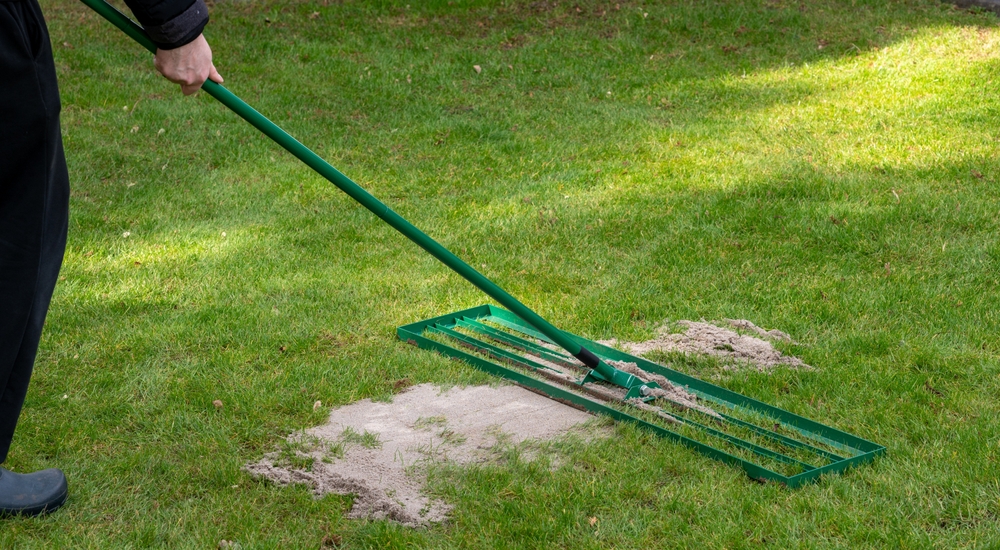
At Classy Grass, we make overseeding simpler by matching seed to your lawn’s conditions and handling the steps that matter most—prep, application, and follow-through. As a family-owned company serving Decatur, Mt. Zion, and Forsyth, we understand the local growing conditions that influence germination and long-term turf performance.
If you’re still planning your approach, it can also help to understand what overseeding involves, choose the right timing for your lawn, and know when it’s safe to mow after new growth begins. From neighborhoods near Scovill Zoo to surrounding communities, having experienced local professionals makes overseeding results more consistent and long-lasting.
We’ll help you select the best grass seed for overseeding for your yard, then support it with services like aeration, fertilization, mowing, and seasonal cleanup so results don’t fade after a few weeks. If you’re ready to schedule your appointment and want a lawn that stays thick and healthy, contact Classy Grass to get started.