A healthy, vibrant lawn instantly boosts a home’s appearance. However, even the most well-kept turf can deteriorate over time. Bare patches, thinning grass, and weeds show up eventually in most yards. This is especially true if the surface sees a lot of foot traffic, harsh heat, and even disease.
Fortunately, with professional lawn overseeding services, homeowners in Decatur can easily make their green space feel vibrant and fresh again. In today’s article, we’ll explain what overseeding entails and how to do it correctly, helping you get the most out of your yard. Let’s dive in!
What is the purpose of overseeding the lawn?
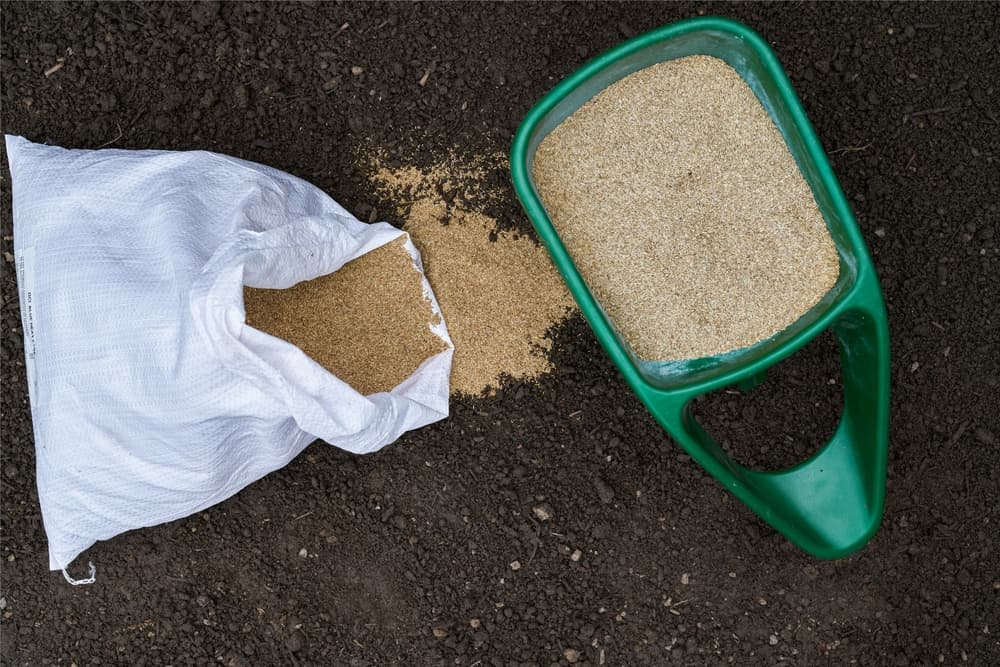
When discussing long-term grass health, it helps to outline what overseeding a lawn is. In short, it’s a method to enrich and restore the natural appeal of grass without having to displace old turf. This is typically done by spreading seeds over an existing grass surface, and in some cases, it involves adding a different kind of grass species to complement the existing turf. For the most effective results, professionals in Decatur often aerate and dethatch surfaces so that the seeds can make direct contact with the soil.
Besides purely aesthetic benefits, this practice also helps with a variety of other problems homeowners face. These typically include:
Weed invasion:
Weeds thrive in open and thin spots, left behind by deteriorating grass. By reinforcing existing grass density, weed growth can be suppressed, and invasive species will have no room to thrive.
Pest & disease resistance:
Weakened grass is susceptible to pests and disease. On the other hand, healthy greenery is not only more resistant in the first place but also recovers more easily from fungal diseases and pest-induced damage.
Soil erosion:
Grass roots play a key part in reducing erosion and run-off. New seedlings strengthen the root network and help prevent soil loss on sloped surfaces or areas that see a lot of rainfall.
Compacted soil:
By aerating before introducing new seeds, you can loosen the soil, improve air circulation, and create better conditions for grass growth.
How to properly overseed?
To discover what overseeding is fully capable of, proper techniques are essential. Here are several simple steps to follow:
- Mowing: Cut the grass shorter than usual, so that the new seedlings reach the soil and get adequate sunlight.
- Clearing debris: Rake the surface thoroughly to remove loose clippings, debris, or thatch to clear the way for contact and sun exposure.
- Aeration: Use a core aerator or a manual tool to pull the plugs and allow air, water, and seeds to penetrate the soil.
- Choose the right seed: Select a type of grass that matches the climate, sun exposure, and your goals.
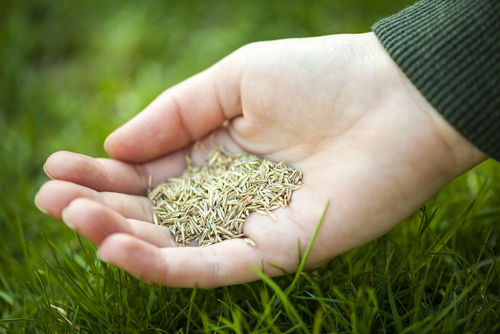
- Spread the seed evenly: Distribute the seeds consistently across the surface with adequate tools.
- Raking: Gently rake the area so that the seeds can settle into the soil without going too deep.
- Add compost or topsoil: A light layer can protect the seeds and facilitate better germination.
- Watering: Keep the surface moist with light watering, but avoid overwatering.
- Fertilization: Once seedlings mature, fertilization can strengthen texture and facilitate healthy growth.
- Care: Provide consistent care throughout the year with regular watering, proper lawn mowing after overseeding, and other seasonal tasks.
For the most effective lawn overseeding, relying on professional grass care technicians in Decatur can go a long way. They’re equipped with the right tools, understand the local climate conditions, and know which seeds will thrive the most in your area.
What is the difference between seeding and overseeding?
While it might seem like they refer to the same practice, they’re not exactly the same. Both methods involve applying grass seed, but there is a crucial difference that sets them apart:
Seeding:
This method involves sowing seeds in bare soil and setting up an entirely new grass surface from scratch. This is typically done on surfaces where there is no grass to begin with, such as recently cleared land, newly constructed properties, or areas where previous grass was too damaged to effectively restore, either from disease, damage, or severe thinning.
Overseeding:
On the other hand, overseeding grass is the process of spreading seeds over an existing green space to strengthen turf density, repair patchy areas, and improve overall grass vitality and appearance. This is most often done on older turf that doesn’t need a full overhaul or starting from scratch. On top of that, mixing up seed species can introduce a new type of grass without tearing up the yard.
What are the common mistakes when laying grass seed?
While it may seem straightforward, there are a few common pitfalls that can prevent the turf from reaching its full potential. These most often include:
Skipping prep work
When it comes to overseeding a lawn, spreading seed on compact, uneven, or debris-covered soil is the most frequent mistake people make. To germinate, grass seed needs good soil contact. Failing to remove weeds, loosen the top layer of soil, and even adding compost can lead to poor growth and weak roots. Turf care technicians always prepare the soil properly to maximize germination and ensure professional-looking results.
Choosing the wrong seed
Grass species are diverse, and not every type of grass thrives in every climate zone and soil composition. For residents in the Decatur area, failing to account for local conditions can result in patchy spots, slow germination, and even make your green space prone to diseases. For this reason, it’s important to consult with professionals about picking the right grass seed so that you can make informed decisions and ensure your turf can thrive.
Wrong timing
Another common mistake is not accounting for timing. Grass seeds won’t germinate properly if the temperature is inadequate, and that usually happens when seeding is done outside of the recommended overseeding time window. Some grass types prefer early fall or spring, while others prefer late spring or early summer.
Over or under-seeding
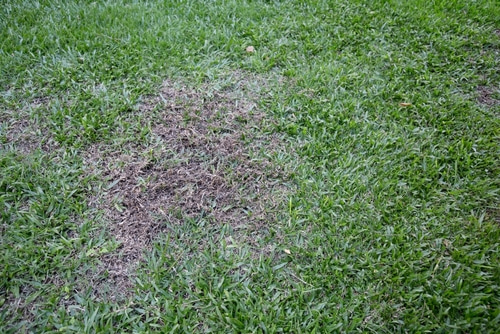
Understanding how much seed for overseeding is required can mean the difference between having a healthy, lush turf and uneven, struggling grass. Using too few seeds can result in thin spots and bare patches where weeds can develop and quickly take over.
At the same time, using too much seed can cause overcrowding and result in seedlings competing for nutrients and sunlight. While it may seem tempting to apply more, this usually results in weak, spindly growth. Experts recommend following the correct seed-per-square-foot rate to ensure even, healthy coverage.
Who offers top-tier lawn overseeding in Decatur, IL?
If you’re looking for experienced professionals to keep your grass surfaces verdant and healthy, look no further than Classy Grass! With years of practical experience, high-grade equipment, and unparalleled attention to detail, we are the #1 choice for a variety of landscaping and hardscaping services, and that includes turf care.
As a local family-run and operated business, we understand the climate and soil conditions that homeowners in our community are dealing with, and we go the extra mile to ensure their green space gets the best treatment that it deserves. No matter if you’re located close to the historic Transfer House or in any other part of Decatur, we are the team you can rely on year-round. Get in touch with us today!