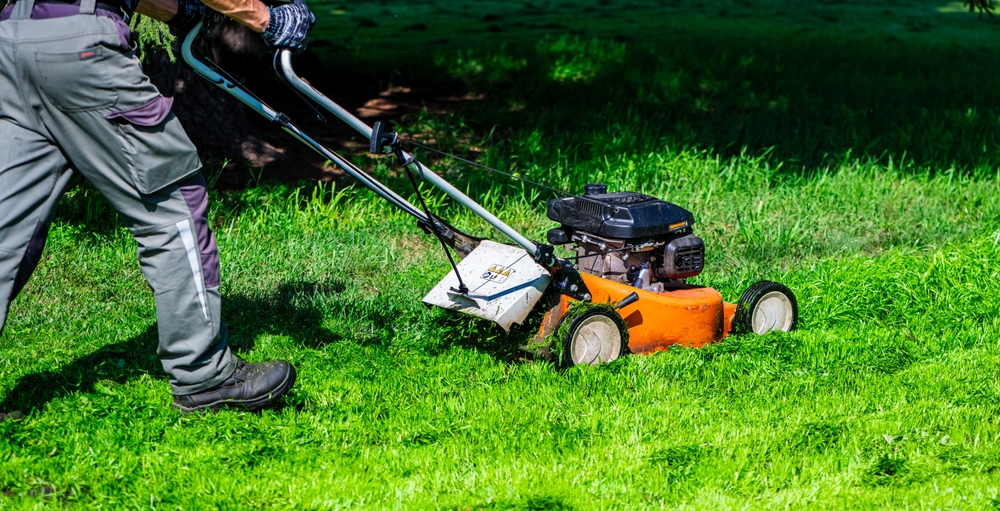
Overseeding is one of the most effective ways to thicken a lawn, repair bare spots, and improve overall turf health. But once the seed is down and the grass starts to grow, many homeowners are left wondering what comes next. One of the most common questions after overseeding is when it’s safe to mow again without harming new growth.
For homeowners in Decatur, IL who are considering grass overseeding, mowing at the right time plays a major role in how successfully new grass establishes. Cutting too early can damage seedlings, while waiting too long can stress both new and existing turf. Understanding the right timing helps protect your investment and encourages stronger, healthier growth.
When is it safe to mow after overseeding?
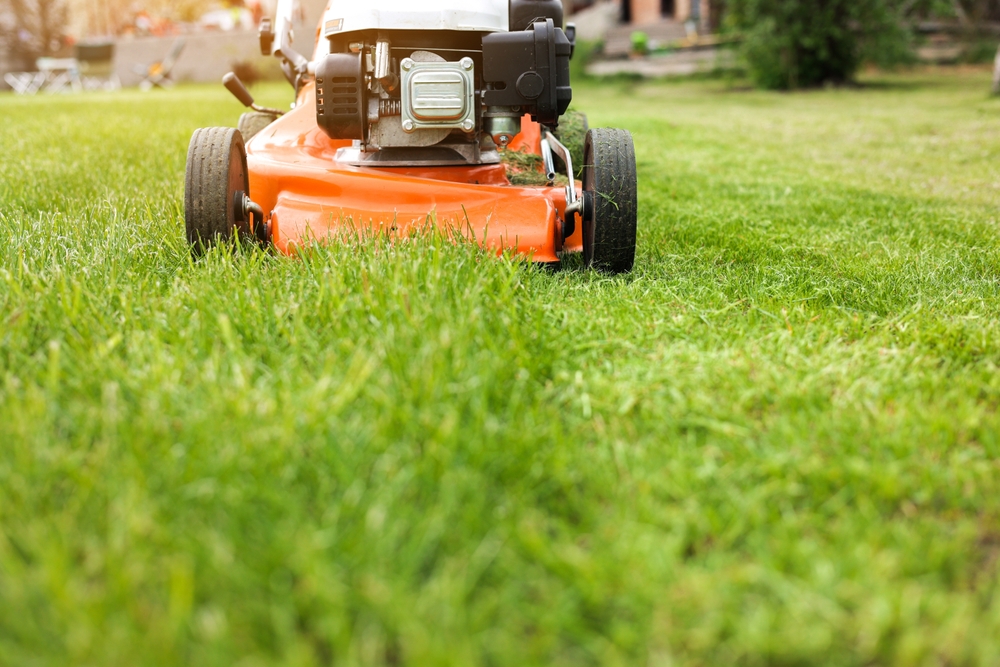
After overseeding, patience is key. While it’s tempting to mow as soon as the lawn starts looking uneven, newly germinated grass needs time to establish before it can handle foot traffic or mowing equipment.
Why mowing too early can cause problems
New grass seedlings are delicate in their early stages. Their roots are still shallow, and mowing too soon can pull seedlings out of the soil or damage them before they’ve had a chance to anchor properly. Even lightweight mowers can cause harm if the turf hasn’t reached sufficient height.
This is why many homeowners ask when to mow after overseeding—the timing directly affects how dense and even the lawn will become.
How tall should new grass be before mowing?
A good rule of thumb is to wait until new grass reaches about three inches tall before mowing. This height allows roots to develop enough strength to withstand cutting without being uprooted.
In most cases, existing grass may grow faster than new seedlings. If that happens, mowing should still be delayed until the new growth reaches the appropriate height to avoid uneven results.
How long should you wait to mow after overseeding?
There isn’t a one-size-fits-all timeline, as growth depends on grass type, weather, and watering habits. However, most lawns follow similar patterns.
Typical mowing timelines after overseeding
Under ideal conditions, homeowners can expect to wait about two to three weeks before mowing after overseeding. This window allows seeds to germinate, establish roots, and grow tall enough to tolerate mowing.
This timeframe answers a common concern: how long after overseeding can I mow without damaging the lawn. If growth appears slow due to cooler temperatures or limited sunlight, waiting longer is always the safer option.
Factors that can extend the waiting period
Weather plays a big role in growth speed. Cooler fall temperatures are ideal for overseeding, but extended cloudy periods or inconsistent watering can slow development. Soil quality and seed type also affect how quickly grass matures.
When in doubt, it’s better to wait a few extra days rather than risk setting back new growth. Asking how long to wait to mow after overseeding is less about the calendar and more about observing the lawn’s readiness.
What’s the best way to mow after overseeding?
Once the lawn is ready, how you mow is just as important as when you mow. Proper technique helps protect new grass and supports continued growth.
Adjust mower height and blade sharpness
Set your mower to a higher setting for the first mow after overseeding. Cutting too short can stress new grass and expose soil, making it easier for weeds to move in. Sharp mower blades are also essential, as dull blades can tear grass rather than cleanly cut it.
This first mow should remove only the top portion of the grass, helping it adjust gradually rather than shocking the turf.
Reduce stress during early mowing
Avoid mowing when the lawn is wet, as this increases the risk of pulling out new seedlings. Keep foot traffic light and avoid sharp turns with the mower until the lawn has fully established.
Homeowners in Decatur, IL who take a careful approach after grass overseeding often see more even results and stronger turf density over time.
Why does proper mowing timing support long-term lawn health?
Mowing at the right time encourages thicker growth and helps new grass blend with existing turf. It also supports healthier root development and improves the lawn’s ability to resist weeds and stress.
Encouraging stronger turf density
When grass is allowed to reach proper height before mowing, it develops deeper roots and stronger blades. This leads to a denser lawn that crowds out weeds naturally and maintains a more uniform appearance.
Over time, consistent mowing practices help reinforce the benefits of overseeding rather than undoing them.
Supporting seasonal lawn recovery
In Decatur, IL, grass overseeding is specific because lawns face seasonal challenges from summer heat and winter dormancy. Proper mowing after overseeding helps new grass survive these transitions more effectively, giving the lawn a stronger foundation going into the next growing season.
What mistakes should you avoid when mowing after overseeding?
Even when homeowners understand the basics of when to mow, a few common mistakes can still interfere with successful results. Avoiding these issues helps protect new seedlings and supports healthier, more even turf establishment.
1. Mowing too low during the first cuts
One of the most common mistakes after overseeding is mowing too low too soon, often because homeowners are unsure when to mow after overseeding and try to fix uneven growth too quickly.
Cutting grass short may seem like a way to even out the lawn, but it places unnecessary stress on new seedlings. Young grass needs sufficient leaf surface to photosynthesize and continue building strong roots.
For the first few mowings, keeping the mower set higher and removing only a small portion of the grass height helps new growth establish without shock.
2. Using dull mower blades
Dull mower blades can tear grass instead of cutting it cleanly, which is especially damaging to newly germinated seedlings. Torn blades lose moisture faster and are more susceptible to disease, slowing overall lawn recovery.
Before mowing after overseeding, sharpening mower blades helps ensure clean cuts that support healthy regrowth and reduce stress on new grass.
3. Mowing when the lawn is wet
Mowing wet grass increases the risk of pulling seedlings out of the soil, especially for homeowners wondering, “How long after overseeding can I mow safely?” Wet ground is softer, making it easier for mower wheels to disturb new roots, while wet blades tend to bend instead of standing upright.
Waiting until the lawn is dry allows for a more even cut and helps protect delicate new growth during early establishment.
4. Mowing too frequently too soon
Even after the first successful mow, returning to a regular mowing schedule too quickly can slow progress. New grass needs time between cuts to continue developing roots and blending with existing turf.
Gradually easing back into normal mowing habits gives the lawn time to strengthen and maintain consistent growth.
5. Neglecting follow-up lawn care
Mowing is only one part of successful overseeding, and understanding how long to wait to mow after overseeding is just as important as what happens afterward. Skipping proper watering, fertilization, or traffic management can limit results and weaken new grass.
Consistent aftercare supports long-term lawn health and helps newly overseeded areas fill in evenly and remain resilient.
Where in Decatur, IL, and the surrounding area can I get help with grass overseeding?

At Classy Grass, we help homeowners take the guesswork out of overseeding and lawn care. From proper timing to ongoing maintenance, our team understands the steps that lead to successful results. As a family-owned company serving Decatur, Mt. Zion, and Forsyth, we tailor our approach to local conditions and each lawn’s unique needs.
If you’d like to learn more along the way, it can also help to understand what overseeding involves, choose the best time to overseed your lawn, select the right grass for overseeding, and more.
Whether you’re located near Millikin University or elsewhere in the area, working with a local team ensures your lawn gets care tailored to Decatur’s soil and seasonal conditions. Contact us to schedule your service today.