Over time, even the best-kept lawn can end up with thinning turf, weeds, and bare patches across the surface. Sometimes the culprit can be heavy foot traffic, harsh summers, disease, poor soil quality, and even incorrect mowing practices. In other cases, it can simply be that the lawn is worn out with age, and the greenery is declining naturally.
For this reason, grass overseeding is a tactic that many property owners in Decatur employ to restore the vitality and freshness of their lawn. However, it’s worth mentioning that when it comes to refreshing your lawn, proper timing can make all the difference. In today’s article, we’ll explore what’s the best time of the year to overseed to ensure your lawn looks captivating and verdant. Read on!
What is the best month to overseed your lawn?
When it comes to thickening up the turf with new grass, it’s important to know when to overseed so that you can get the most out of it. Temperature ranges and frost dates can affect the germination process, while soil temperature is critical because seeds need warmth to sprout successfully. On top of that, some grass varieties thrive when they’re planted during cold seasons, while others sprout better during warmer months. Let’s take a more in-depth look:
Ideal months for cool-season grasses
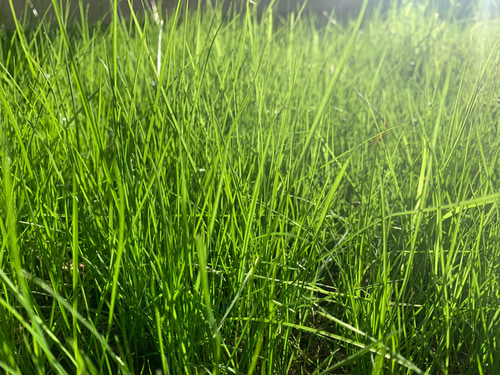
Cool-season grasses generally perform best in early fall, but in some cases, spring overseeding is also a viable option. The reason why fall overseeding is recommended by professionals is that the soil still retains summer warmth, which facilitates better germination.
At the same time, cooler air temperatures reduce the stress that seedlings would experience during harsh summer months, which in turn allows the roots to develop and establish a strong network before winter hits. On top of that, it’s worth noting that cooler months typically mean fewer weeds to compete with for nutrients, giving your turf a chance to grow without interference.
Early spring as an alternative
For cool-season seeds, the second-best option is overseeding in spring, particularly in the earlier half. Seeds planted in this time period can grow before the summer heat arrives, but the downside is that they may face more competition from invasive weeds, and germination can be slowed down by colder soil temperatures. Despite this, it’s still a viable method, and it can repair winter damage and prepare the lawn for summer growth.
Ideal months for warm-season grasses
For species that thrive in warmer temperatures, late spring and early summer is the best time window. In this period, temperatures are generally warm enough and promote growth before the harsh summer heat can negatively affect it. At the same time, warm-season grass is especially susceptible to frost and cold stress, which is why colder months are not recommended.
Can overseeding be done in October?
Typically, October grass overseeding in Decatur is a viable option. Air temperatures are cooler, reducing the heat-induced stress on the seedlings, while the soil is still retaining heat from the summer months. Paired with the reduced weed growth in October, this creates an excellent environment for new seeds to sprout with no interference. However, there are a few key considerations to keep in mind:
- Ensure there are at least 6-8 weeks before the first snow, so that seedlings can sprout without stress.
- Choose an appropriate seed type that matches your existing lawn so that the growth is uniform.
- Avoid seed dislodging by ensuring that the soil is not overly wet or prone to frost heaving.
- Monitor the weather forecast to avoid sudden temperature plummeting or heavy rain that would interfere with sprouting.
- Take all the necessary steps to prepare your lawn, such as mowing, raking, or aerating if needed.
For the most reliable results, consult with professional lawn care technicians in Decatur. They can help you ensure that lawn overseeding in the fall is done at the optimal time, with the right seed selection, and proper soil preparation. On top of that, consistent professional care is an excellent way to keep your lawn fresh and verdant year-round.
How to overseed an existing lawn in spring?
Overseeding the lawn in spring is a practical way to revitalize existing turf after winter stress, especially if you’re seeing bare spots, thinning areas, or damage from snow, ice, and even foot traffic. While it’s not always the ideal timing, the right approach can make your lawn vibrant again and prepare it for the upcoming summer. Here’s what the process typically looks like:
Preparation
For overseeding grass in spring, thorough prep work is essential. The best way to start is by mowing your lawn shorter than usual, typically within 1 to 1.5 inches. Next, raking the area thoroughly will remove debris, thatch, and dead grass. This will clear the surface and ensure the seedlings have good contact with the soil and adequate exposure to sunlight. For compacted surfaces, professionals recommend aeration so that water, air, and nutrients can seamlessly reach the root zone.
Seed selection
For consistent growth, selecting the right kind of grass seed is crucial. In some cases, introducing new species to an existing turf can make your lawn significantly more resistant to disease and improve the overall color. If you’re uncertain about certain seeds’ compatibility with local climate and lawn conditions, feel free to reach out to expert lawn care technicians in Decatur, and they’ll help you find the right fit.
Seed distribution
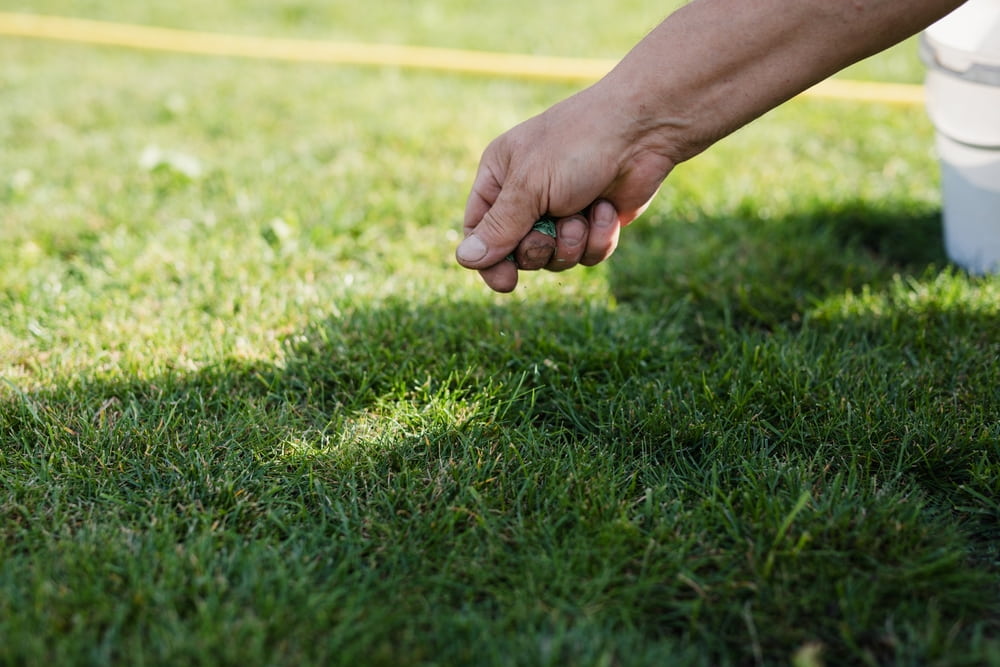
With the right equipment, such as broadcast and drop spreaders, you can ensure that the seeds are evenly distributed throughout the area. Incorrect use of equipment can result in uneven coverage, which in turn leads to patchy growth.
Raking
Gently raking the seeds into the soil ensures contact with the surface. In some cases, applying a thin layer of topsoil or compost can help retain moisture and protect the seeds from birds or surface drying.
Ongoing care
After the process, light and frequent watering ensures that seedlings sprout, establish strong roots, and grow into a dense, healthy turf. It’s important to avoid overwatering, as it can wash seeds off and create an environment that promotes disease. Mowing the new grass correctly can ensure proper-looking results and create a uniform, well-established surface as the lawn matures.
How often can you overseed?
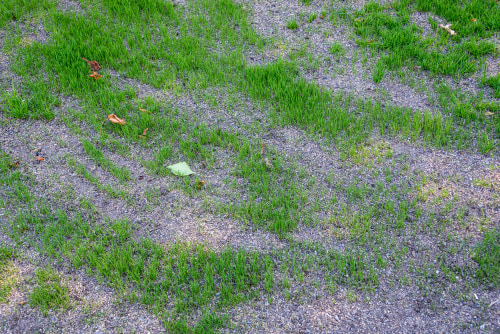
In short, the frequency of grass overseeding in Decatur depends on several factors, including turf health, growth rate, and local climate conditions. Some lawns require annual treatment, while others may need it every few years. In some cases, there are visible signs your lawn needs care. These include:
- Weeds are invading thin or bare spots in your yard.
- The turf is struggling to recover, typically after heavy foot traffic.
- Disease, pests, or seasonal stress are damaging portions of the lawn
- Your lawn suffers from uneven growth or has thin, patchy spots.
- The surface appears worn out from age, and the lushness is fading.
By recognizing these signs early, homeowners can plan grass overseeding at the optimal time.
Who offers thorough grass overseeding in Decatur, IL?
To make the most out of your lawn, a detailed service that leaves nothing to chance is required. And that’s exactly what Classy Grass is about. Our professionals apply years of hands-on experience, high-quality equipment, and attention to detail to deliver a variety of lawn care services, including grass overseeding.
Whether you love close to Spliter Woods State Natural Area or any other part of Decatur, our team is just one quick call away from treating your lawn according to the highest standards of quality. As a family-owned and locally operated business, our mission is to help homeowners keep their lawns captivating and vibrant throughout the year. Reach out today!