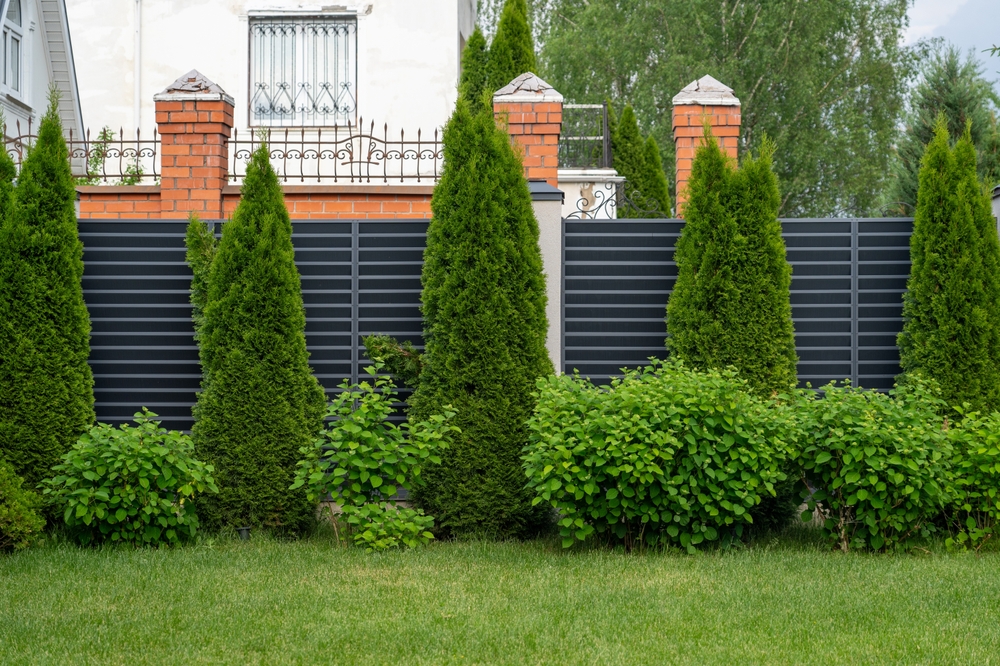
Maybe it’s the neighbor’s kitchen window that looks straight onto your patio, or a busy street that makes the backyard feel like a stage. A fence can fix that, but it isn’t the only option. Trees and shrubs can block the view while keeping the yard from feeling boxed in. The tricky part is picking plants that grow tall enough to help without swallowing the space later.
That’s why homeowners talking to landscaping companies in Decatur, IL usually need more than a list of fast growers. Keep reading to see which plants earn their spot and how a site-specific landscaping plan can help the planting fit naturally into the yard.
What plants are best for privacy screening?
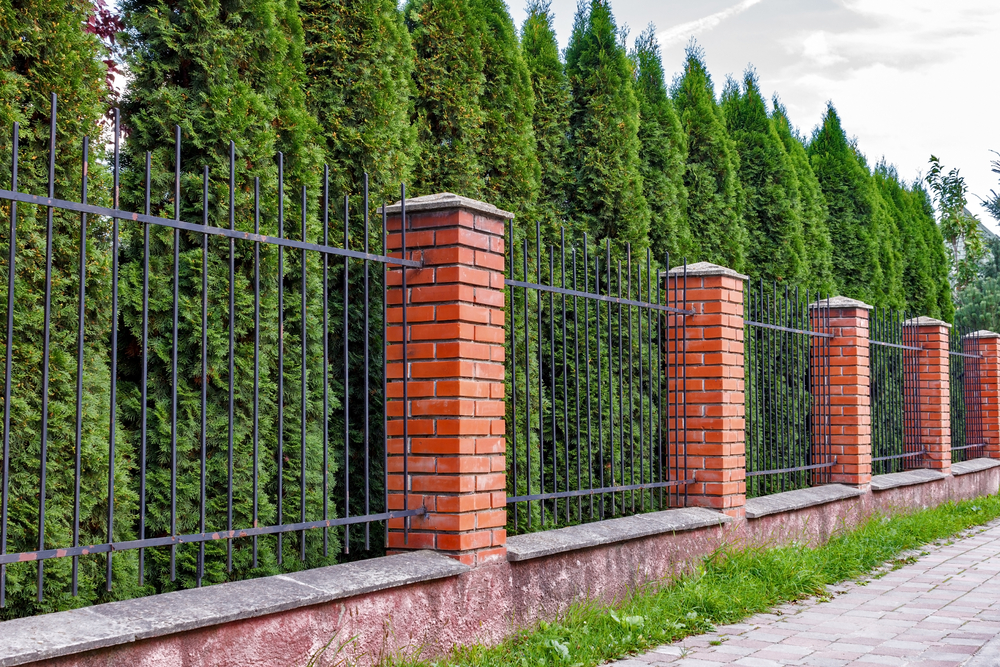
The best privacy plants suit the spot they’re growing in and get tall enough to actually block the view. How wide they get matters just as much, especially along a narrow property line. You’ll also want to decide whether you need coverage all year or mostly during the months you’re out enjoying the yard.
Sunlight and soil moisture count too when matching plants to site conditions, so don’t let growth rate be the only thing you shop for. A few worth considering in this part of the state:
- Eastern redcedar: This native evergreen fills in with dense foliage and can work well along larger property lines. Just give it room to spread.
- Arborvitae: Its upright shape makes sense where you want coverage all year. Check the mature size, since varieties range from compact to quite large.
- Arrowwood viburnum: This rounded shrub can form a substantial screen through the growing season and blends easily into a mixed planting.
- Common ninebark: Ninebark grows into a broad shape that works well in informal hedges and layered borders.
- Joe-Pye weed: This tall perennial adds height in summer, which helps if you mostly want privacy while the patio’s in use.
- Hydrangea: Larger varieties can soften an exposed boundary if you’d rather have a looser, more ornamental screen.
Start with the actual sightline
Go stand where you want more privacy, maybe your favorite patio chair, and look at exactly what you’d like to disappear. A neighbor’s ground-floor window calls for different coverage than a second-story window farther away.
Look at where the foliage begins
Height alone won’t solve everything. A tall tree with a bare lower trunk can leave the part of the view you care about wide open. Check where the foliage starts and how much of the sightline the plant will cover once it fills in.
Decide when you need the coverage
Think about when you really need the screen. If you mostly use the patio during the warmer months, deciduous shrubs may give you plenty of coverage. If the yard feels exposed all winter, evergreens are worth a closer look.
This is also where combining planted and built landscape elements comes in handy. An existing fence can handle the lower part of the view while plants soften it and add height above. A professional can help you figure out where one should hand off to the other.
Build depth into the planting
Privacy doesn’t have to mean a perfectly straight hedge. Layering taller plants behind lower ones can give you good coverage without turning the property line into a solid green wall.
Give different plants different jobs
Let the taller shrubs and evergreens handle the screening, and let the plants in front bring the color. A mixed border also leaves room for flowers and a little wildlife activity. Adding a habitat for beneficial pollinators can fit right into a privacy planting, as long as the flowering plants are chosen with their full-grown size in mind.
Leave room for mature growth
Spacing still matters. Nursery plants look small on planting day, so it’s tempting to pack them in tight. Giving them room to grow means less pruning later and keeps shrubs from crowding paths or spilling into the neighbor’s yard.
Pay attention to water before planting
A long screening border can struggle if part of it sits in a spot that stays soggy after rain. Before deciding where shrubs or evergreens go, watch where the water collects after a good storm.
A little planning around troublesome yard drainage can show whether the spot needs a different fix first. Some plants handle wet soil better than others. But water that keeps pooling after every rain usually points to a bigger issue worth solving before the screen goes in.
Why does professional planning matter for a privacy screen?
A privacy screen gets complicated fast once sightlines and property lines have to work with what the sun and soil allow. A professional can look at the space before anything is planted. That helps you avoid the classic mistakes, like shrubs that end up too wide or a screen that blocks more than you meant it to.
Spacing and eventual height have to suit the view you’re hiding, too. Good planning also works around existing hardscape and buried utilities.
What’s the leading landscaping company in Decatur, IL?
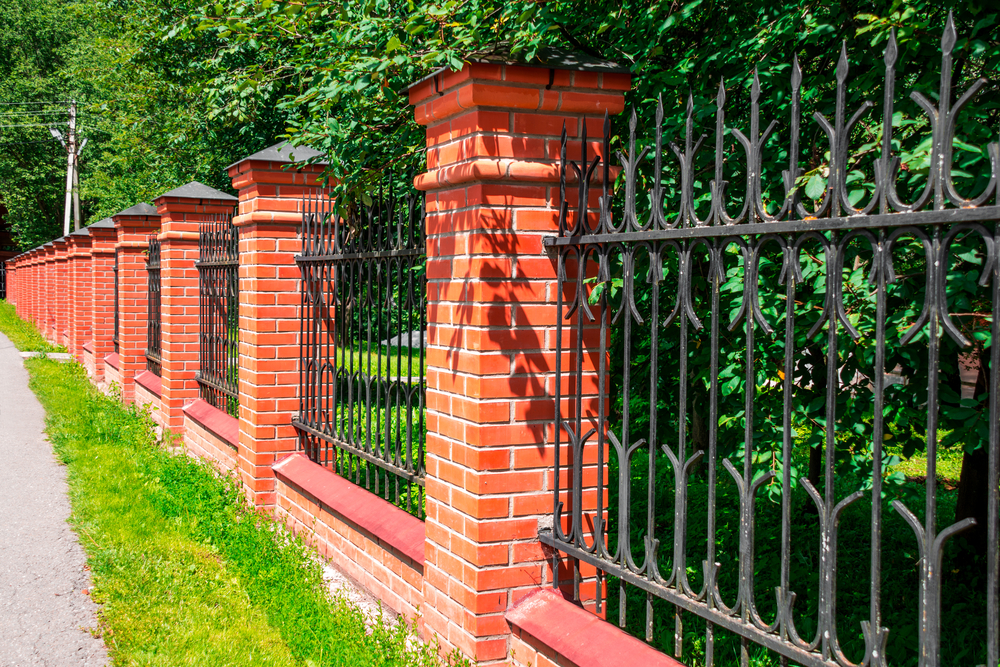
A good privacy screen looks planned, not like a row of whatever the nursery had in stock. At Classy Grass, we start by walking your property to see the exact view you want gone. Then we build a personalized plan with plants that thrive in our local climate and fit the space they’re given. Already have a fence or patio? We design the planting to work with it. Our family-owned team works all over the area, including homes near the Transfer House. Get a free estimate and show us which part of the yard feels too exposed.