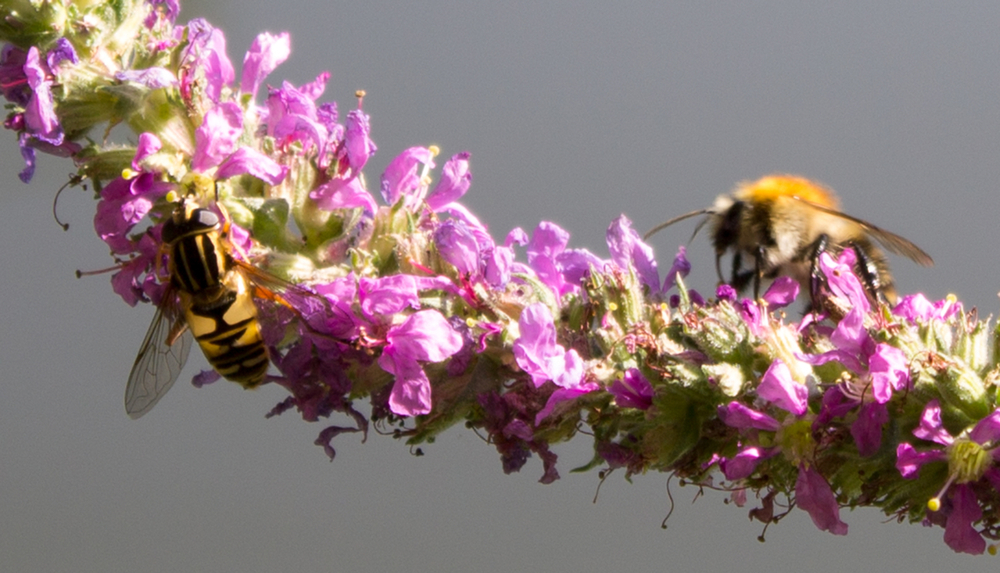
A pollinator garden works best when it provides more than a brief burst of flowers. Bees, butterflies, moths, beetles, hummingbirds, and other visitors become active at different points in the growing season and do not all use plants the same way. That makes bloom timing and habitat value important from the beginning.
For anyone checking out plant designs in Decatur, the useful question is not simply which flower looks appealing at the garden center. Plants also need to suit the available light, soil moisture, growing space, and local wildlife. Keep reading to see how plant choice and placement work together and how a planting plan built around the property can support the space throughout the growing season.
What plants attract the most pollinators?
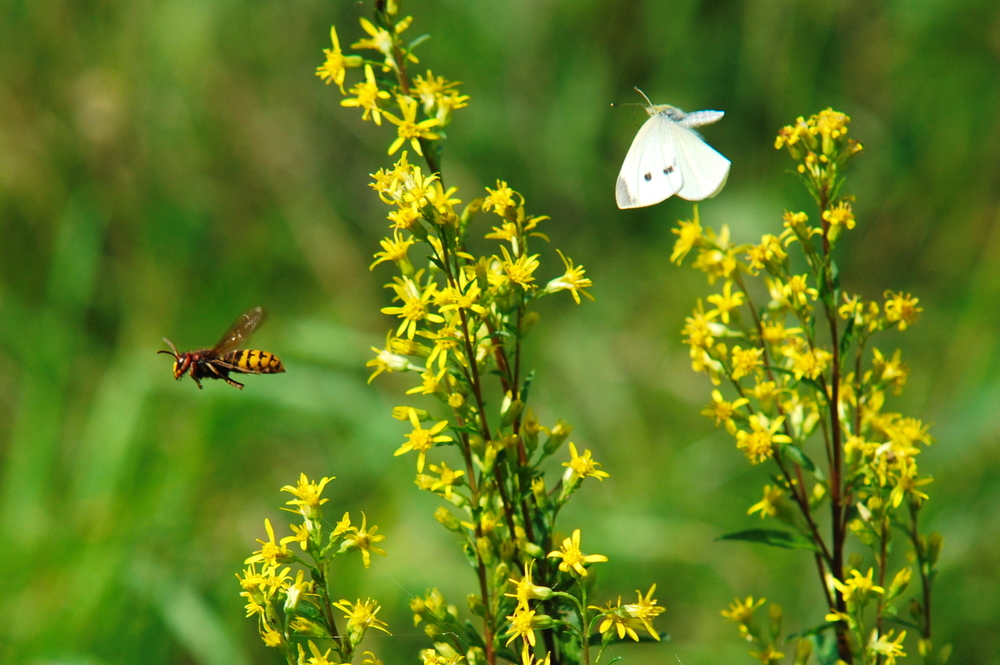
Plants tend to attract more activity when they provide accessible nectar or pollen during periods when local pollinators are active. Native species are particularly useful because many local insects already depend on them for food or reproduction.
A bed becomes more useful when bloom periods overlap, helping support pollinators throughout the season rather than concentrating most of the available food into a short flowering window.
Useful Illinois choices include:
- Wild columbine: Its spring flowers provide an early food source for bees and hummingbirds. It works well in partial shade.
- White wild indigo: Flower spikes attract bees, and the plant develops enough size to add structure to a sunny bed.
- Black-eyed Susan: Its open flowers are accessible to many visiting insects and provide dependable summer bloom.
- Butterfly weed: This native milkweed supplies nectar while also serving as a host plant for monarch caterpillars.
- Joe-Pye weed: Its height makes it useful toward the back of a planting, where summer flowers attract a broad range of visitors.
- Asters and goldenrods: Later flowers help extend food availability after many summer bloomers have finished.
A pollinator garden does not need every available species. A smaller selection that fits the site and flowers at different points in the season often performs better than a crowded bed chosen only for variety.
Keep something blooming through the season
One heavily flowering plant can draw plenty of activity for a few weeks, but its value changes once the bloom period ends.
Stagger the flowering periods
Combining plants with different flowering schedules keeps nectar and pollen available longer. Spring bloomers can give way to summer species, with later flowers continuing after much of the earlier color has faded.
Plant repeated groups
Grouping several plants of the same species can also make flowers easier for insects to find. Repetition gives the bed a more deliberate appearance without requiring every section to contain a different variety.
The planting still has to fit the rest of the property. Working plants around permanent outdoor features helps preserve growing room near patios, paths, edging, fences, and other fixed elements.
Match plants to the moisture already there
A sunny bed that dries quickly needs a different plant mix than a low area where the soil stays damp after rain. Looking at existing conditions first gives you a better starting point than selecting a favorite flower and trying to make the entire site accommodate it.
Watch how the site changes after rain
Accounting for water movement in planting beds can help determine whether a damp area needs correction or simply needs species that tolerate more moisture. Watch the space after rainfall and again during a dry period. Those changes provide useful clues about what plant roots will experience throughout the season.
Give pollinators more than flowers
Flowers provide visible feeding opportunities, but some pollinators need other habitats as well. Milkweeds support monarch caterpillars, while some native bees use exposed soil or hollow stems for nesting. Heavy landscape fabric can restrict access to nesting areas. Removing every standing stem immediately after the growing season can also take away places used by insects.
Be thoughtful about treatments
Pesticide use deserves attention too, especially while plants are blooming and actively attracting visitors. Treatment decisions should account for the insects the planting is meant to support.
Use taller growth where it serves another purpose
A pollinator bed can also help soften an exposed property edge. Taller perennials or shrubs may reduce a direct view into a patio while contributing flowers and habitat during the growing season.
Screening exposed areas with layered plantings can work especially well where seasonal privacy is enough. The plants still need to fit their location at maturity, so eventual width, available light, soil moisture, and seasonal height should guide the layout.
Why is professional planning useful for a pollinator garden?
A successful pollinator garden depends on more than choosing flowers that attract bees or butterflies. The plants need to suit the site, bloom at useful times, and have enough room to reach their mature size. An expert can look at sunlight, soil moisture, existing plants, and the way the bed connects with the rest of the yard before deciding what belongs there.
That planning becomes especially useful when combining species with different growth habits. It helps prevent taller plants from overwhelming smaller ones, reduces unnecessary crowding, and makes it easier to maintain overlapping bloom periods throughout the growing season. The planting can then support pollinators without feeling disconnected from the surrounding landscape.
Who can help with beautiful plant designs near me in Decatur, IL?
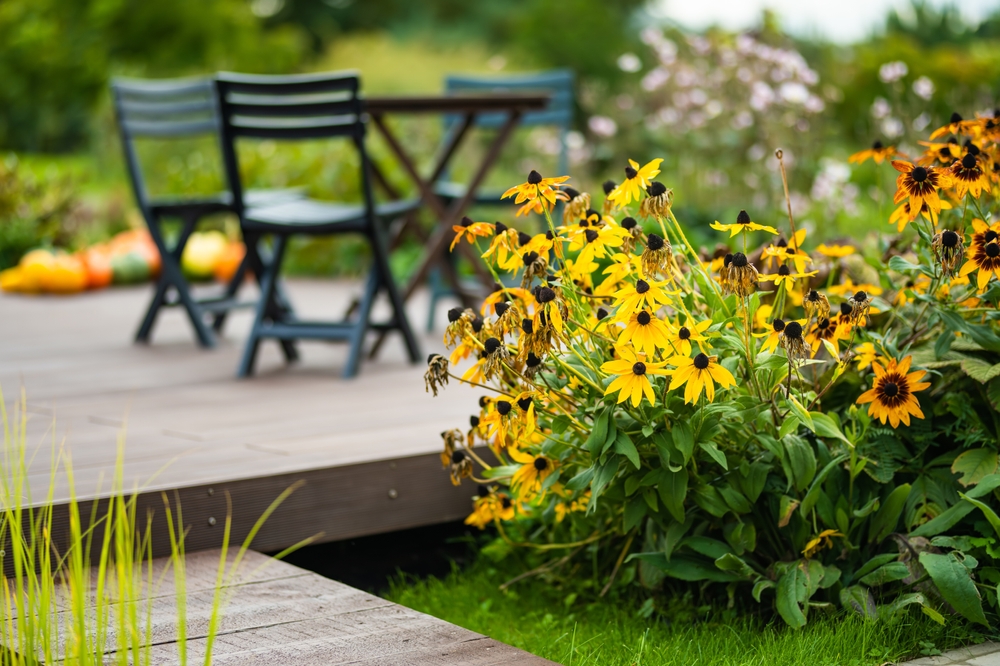
Classy Grass can develop a pollinator planting around the conditions already present on your property. Their process begins with a site assessment followed by a personalized plan based on the yard and the look you want. Seasonal bloom, mature plant size, sunlight, available moisture, and surrounding outdoor features all influence what belongs in the bed.
Whether your property is near Millikin University or elsewhere in the area, a site-specific approach can help the planting remain useful beyond its first flowering season. Reach out to get an estimate and discuss what you would like to create.