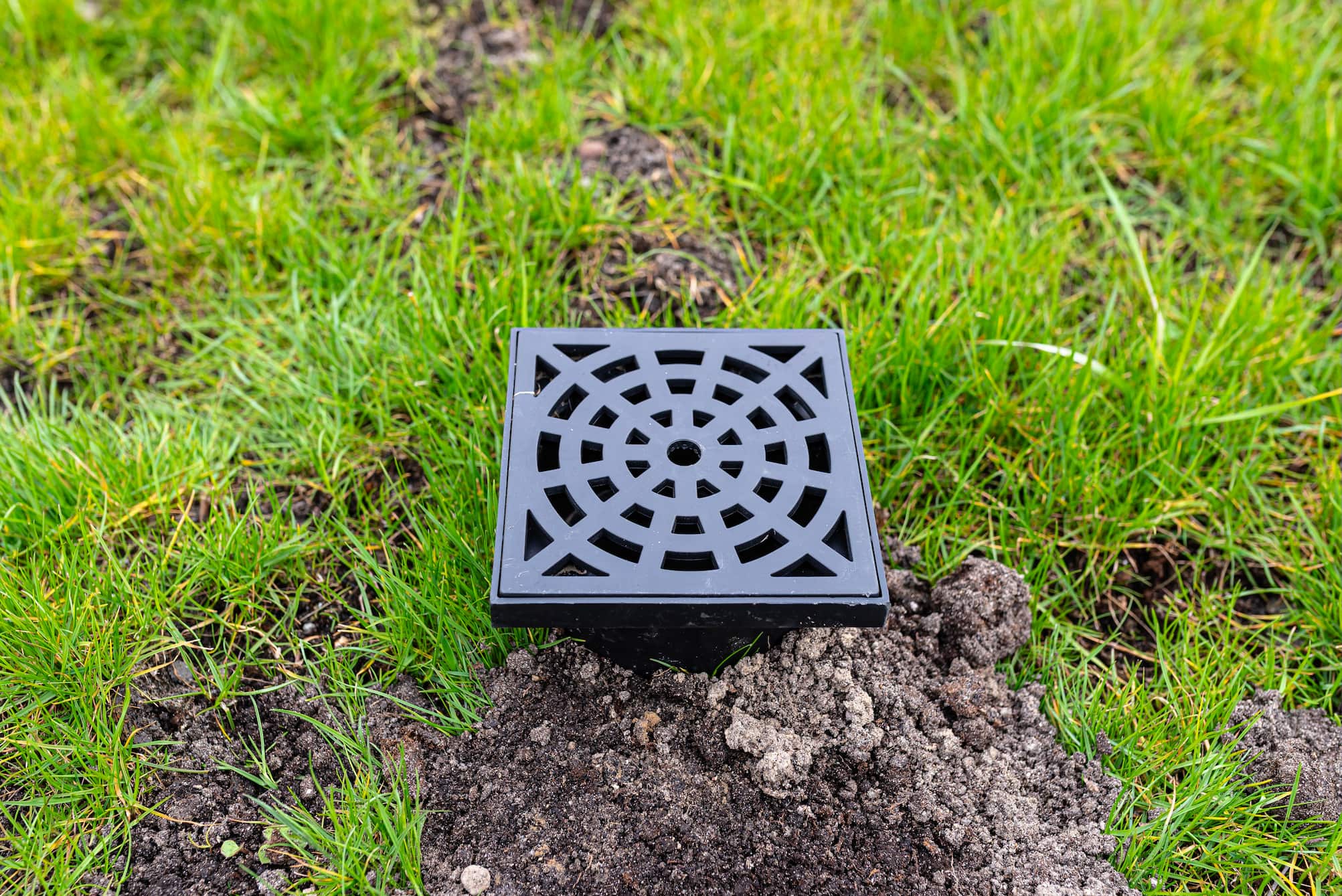
A yard that turns into a swamp after every storm is telling you something. Water has nowhere good to go. Standing puddles near a foundation and soggy patches that never quite dry out are common symptoms of the same underlying issue. The fix isn’t always as simple as digging a trench and hoping for the best, either.
For homeowners working with landscapers in Decatur, solving drainage often means rethinking how the whole yard is graded and planted, not just patching the worst spot. Keep reading to see how thoughtful landscaping design can help drainage and turn a problem area into one of the better parts of a property.
How do you fix poor drainage in a yard?
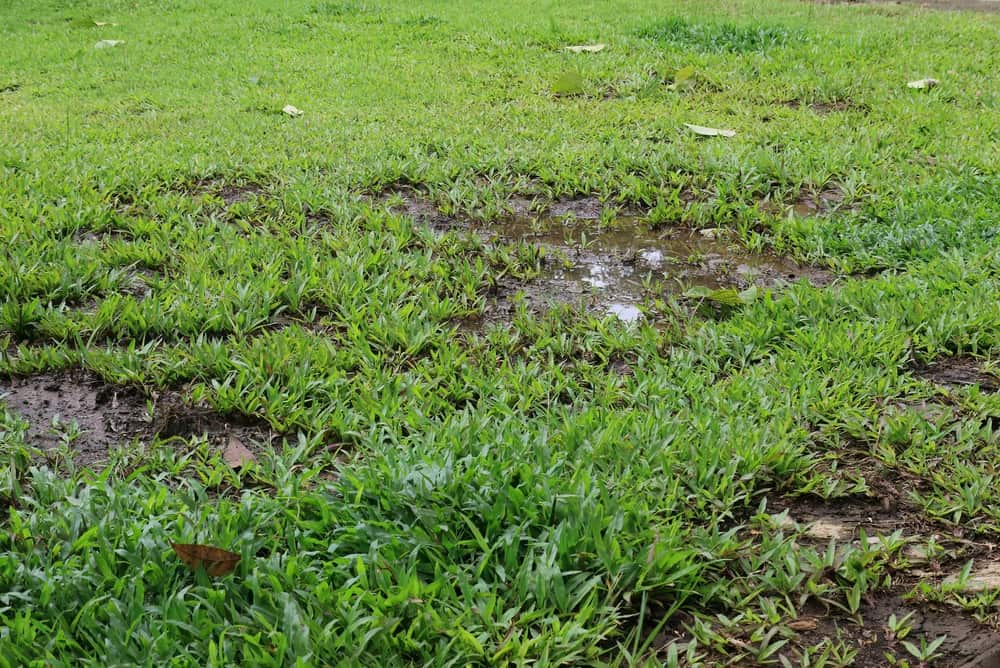
Poor drainage rarely comes from one single cause; it’s usually the result of several small factors working against each other at once. Compacted soil and the natural slope of a yard both play a major role in whether a property stays dry or turns into a mess after every storm. Fixing it for good usually means addressing more than just the spot where water happens to collect.
Why yards hold onto water in the first place
Water follows the path of least resistance, which means it collects wherever the ground is lowest or most compacted. Heavy clay soil, common in a lot of yards, drains far more slowly than sandy or loamy soil, letting water sit on the surface for days after a storm.
Construction activity during a home’s original build can also compact soil in ways that never fully recover without intervention. Once a low spot forms, it tends to worsen over time as saturated soil struggles to absorb anything new.
Grading and slope as the first line of defense
Before anything else gets added to a yard, the ground itself usually needs to be reshaped so water has somewhere to go. Proper grading creates a gentle slope that carries water away from a foundation and toward an area where it can safely soak in or drain off the property. This step often gets overlooked since it isn’t visible once finished. Skipping it means the same wet spots keep reappearing no matter what’s added later.
Plant choices that soak up excess water
Certain plants are especially good at pulling water out of saturated soil, using deep root systems to draw moisture down rather than letting it pool on the surface. Native grasses and perennials tend to handle this better than shallow-rooted turf alone, especially in the low spots where water tends to collect.
A rain garden is a planted depression that catches runoff and lets it soak in slowly, turning a problem area into an attractive feature instead of an eyesore. The right species can do more than manage water. You can easily design a pollinator-friendly garden in these conditions, and taller varieties double as natural privacy screening along a property line.
Where hardscape features fit into the solution
Plants alone can’t always handle serious drainage problems, especially in yards with heavy clay or very little slope to work with. Dry creek beds and buried drainage pipes move water more directly than roots and soil ever could on their own.
Knowing the real difference between softscaping and hardscaping helps clarify which category a given drainage fix actually falls into, since the two often get blended together in casual conversation. The most effective solutions usually combine both, using structure to move water and plants to filter it.
Why professional input usually beats guesswork
Drainage problems can be deceptively complex, since fixing one low spot without understanding the bigger picture sometimes just pushes the water somewhere else on the property. A trained eye can trace where water actually comes from, whether that’s a downspout or a neighboring yard’s runoff, and design a solution that addresses the source rather than the symptom.
Bringing in outside expertise tends to save both time and money, particularly when the first attempt would otherwise have moved the problem rather than removed it.
Who are the most reliable professional landscapers in Decatur, IL?
Drainage problems rarely fix themselves, and waiting too long usually just means more damage to deal with later. Classy Grass has spent years diagnosing water issues across local properties, from minor puddling to yards that flood after every storm.
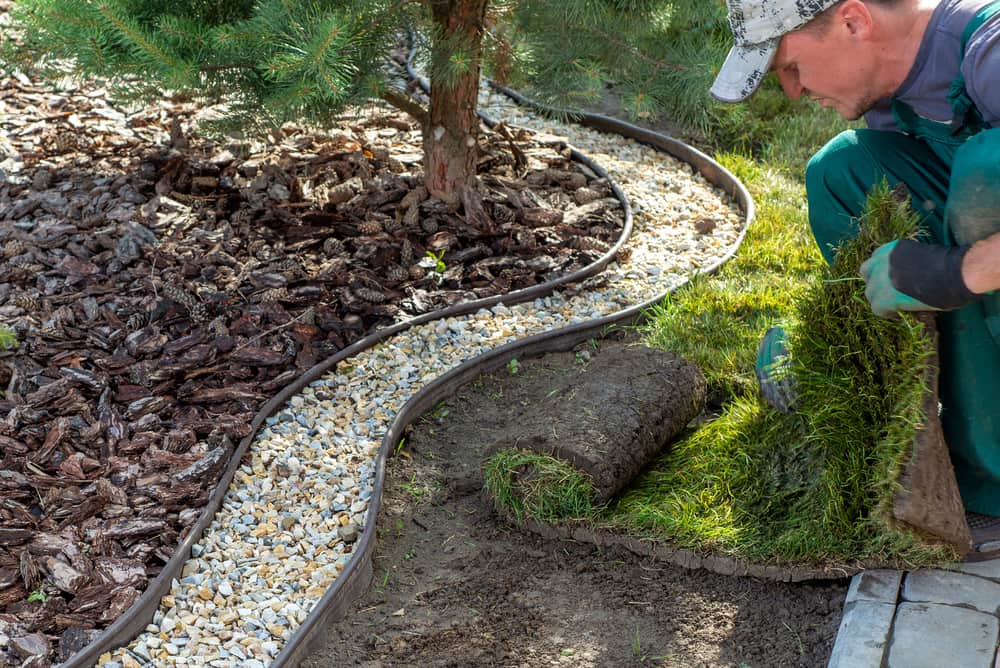
Whether a property sits close to Lake Decatur or well inland from it, the soil and the slope will differ, but the same principles of grading and planting apply either way. A proper assessment looks at the whole property, not just the spot where water happens to pool, since fixing one area without understanding the rest often just moves the problem elsewhere.
If standing water has become a recurring headache, give us a call today and get it looked at properly.