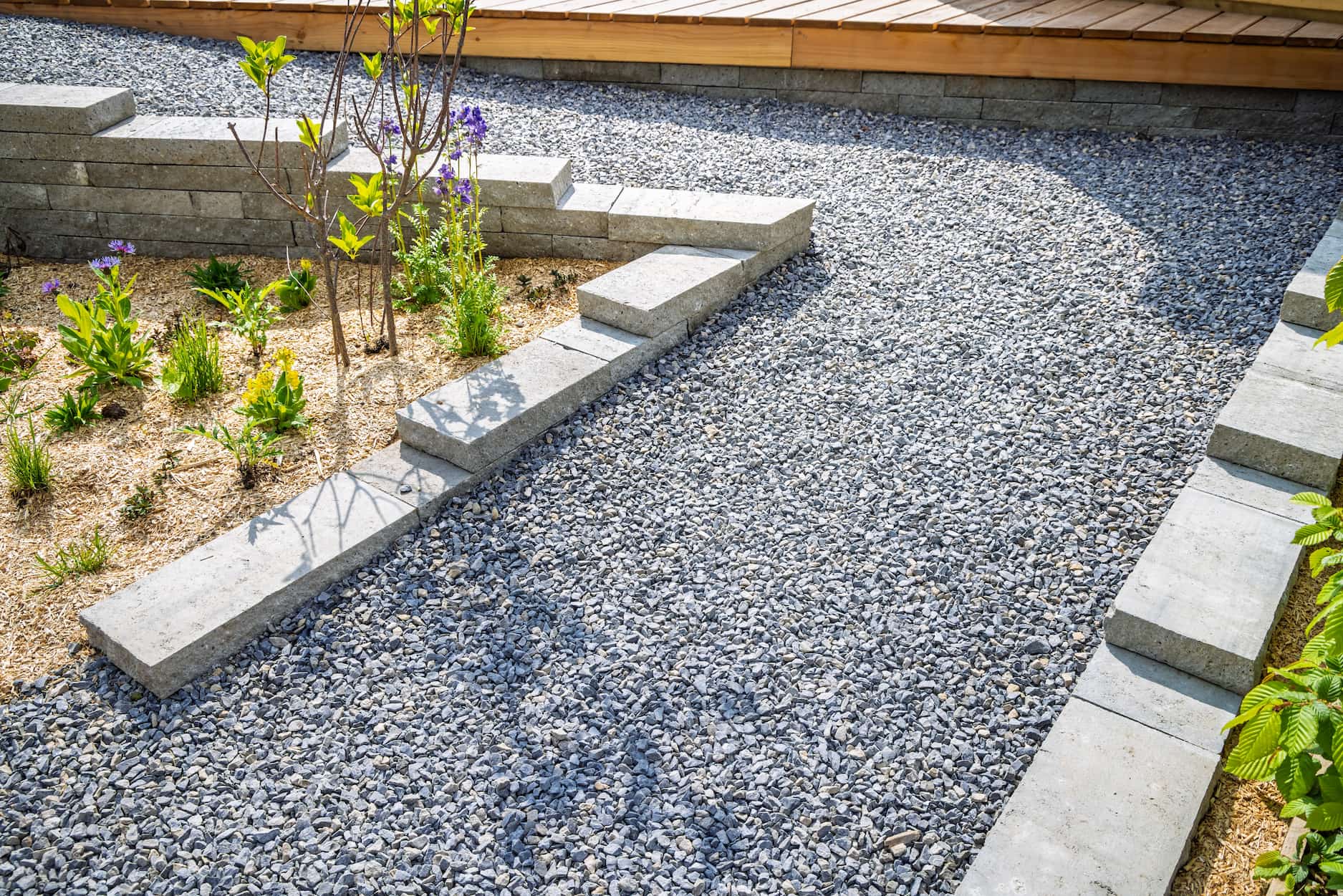
Every yard is really made up of two different categories working together, even if most homeowners never think about them separately. One covers everything alive, like grass and flower beds. The other includes the built structures that give a space its shape, from patios to walkways. Knowing where one ends and the other begins makes a real difference when planning a renovation or trying to explain a vision to a contractor.
For anyone exploring landscaping in Decatur, understanding this split is often the first step toward a yard that actually functions the way it looks. Keep reading to break down exactly what falls into each category.
What is the difference between hardscaping and softscaping?
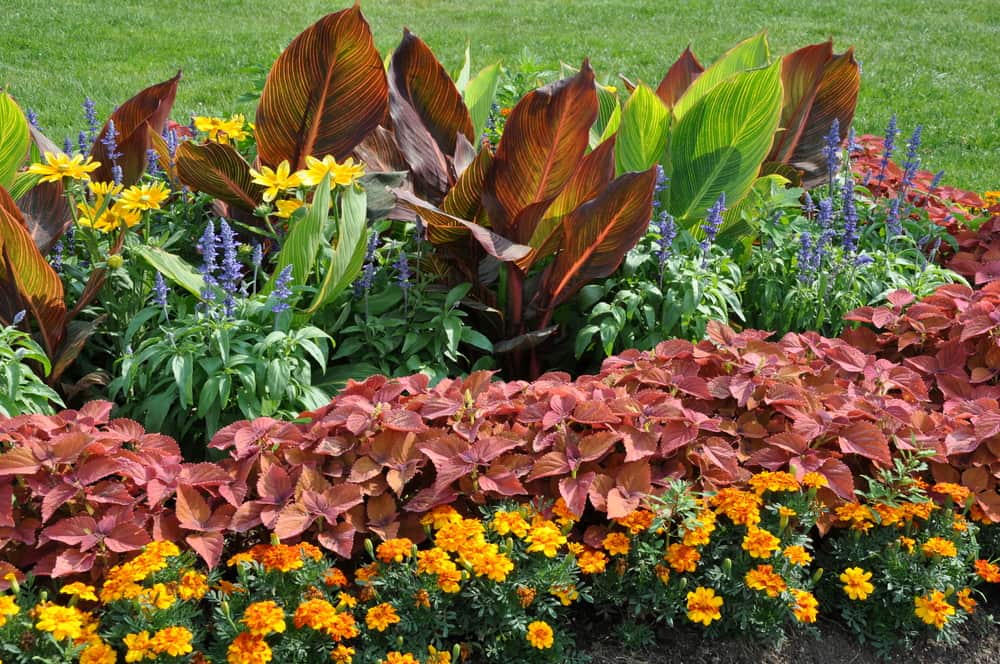
Hardscaping and softscaping often get mentioned in the same breath, but they cover two completely different parts of a yard’s design. One deals with living elements that grow and change with the seasons, while the other involves permanent structures that stay put year after year. Most outdoor spaces rely on a mix of both, even without anyone consciously separating the two.
What softscaping actually includes
Softscaping covers anything alive in a yard, from grass and shrubs to trees and seasonal flowers. It’s the part of a design that changes throughout the year, filling in, blooming, and sometimes needing to be replaced or rearranged.
Plant selection carries more weight than appearance alone, since certain species support local wildlife while others do very little for it. Thinking through a garden built around pollinators is one way softscaping choices can serve a bigger purpose than decoration.
What hardscaping actually includes
Hardscaping covers the non-living structural elements of a yard. Patios, retaining walls, walkways, anything built rather than grown. These features tend to stay consistent year-round, providing structure that doesn’t shift with the seasons the way plants do.
Material choice matters quite a bit here, since some options handle water runoff differently than others. Choosing surfaces that let water pass through rather than pool on top can make a noticeable difference in how a yard holds up after heavy rain.
Why drainage depends on the balance between them
Water doesn’t disappear just because a yard looks tidy on the surface. It has to go somewhere, and the balance between hardscape and softscape often determines where that ends up. Too much hard surface without enough planted area can send water rushing toward a foundation instead of soaking into the ground naturally.
Soil and root systems absorb far more water than concrete or pavers ever could on their own. Landscaping itself offers solutions for pooling water, but getting the balance right upfront saves a lot of frustration down the line.
Using both to create privacy and structure
Combining the two categories well is often what separates a yard that looks finished from one that only looks tidy. Layered plantings can soften a hard structure like a fence or wall, while a well-placed patio gives a garden bed somewhere practical to lead toward. Using plants to create privacy along a property line is a good example of softscaping doing a job that’s sometimes handled with a fence instead.
Why getting the mix right often calls for a professional
Balancing hardscape and softscape well takes more than picking materials and plants that look good side by side. It requires understanding how water moves and how roots grow near structures over time.
A trained eye can spot potential problems before they’re built into a design, like plant beds that will eventually crowd a walkway or a patio placed where drainage naturally collects. Getting professional input early tends to save both money and rework later, since fixing a hardscape mistake is far more involved than adjusting a planting bed.
Who offers quality landscaping in Decatur, IL?
Finding the right team for a yard project comes down to more than just good reviews online. Classy Grass has built a name locally by combining thoughtful plant selection with solid hardscape construction, so every project holds up well beyond the first season.
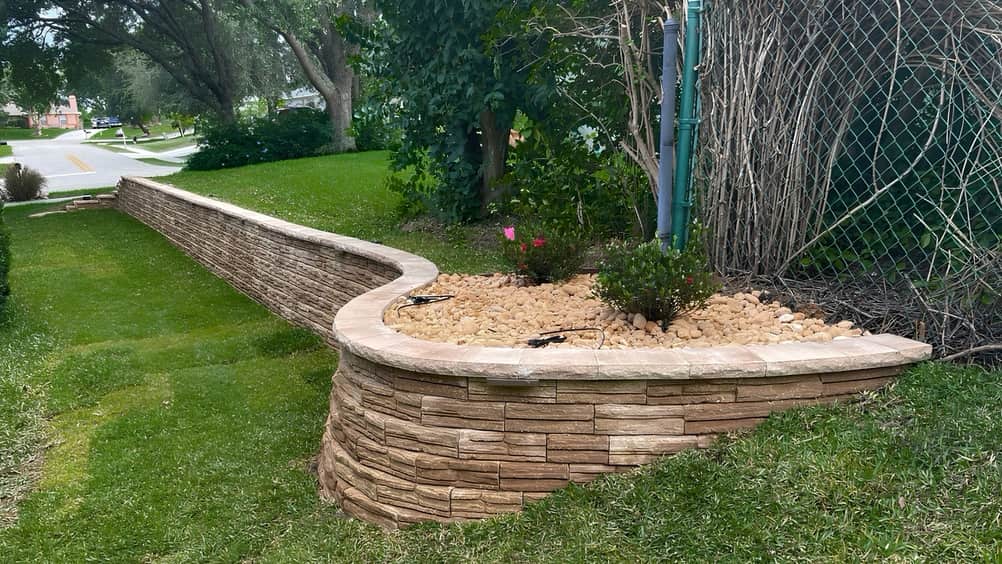
Properties near the James Millikin House and throughout the surrounding neighborhoods have seen the same careful approach applied to everything from patios to planting beds. Every project starts with a real conversation about how the space gets used, not just how it should look. Our crews show up prepared and keep you informed as the work moves along, so nothing arrives as a surprise.
If your yard is ready for a refresh, give us a call today and get the process started.