Fall brings a different set of challenges for your yard. Grass may recover from summer heat as temperatures cool, but falling leaves and changing weather conditions create new maintenance needs. By October, your grass may need a different kind of attention than it did during the summer.
With full-service lawn care in Decatur, we can help you prioritize the work your yard needs before winter arrives. Quite a few of the services we offer are particularly useful during this transition, especially for properties with cool-season grasses.
What lawn care services are most important during autumn?
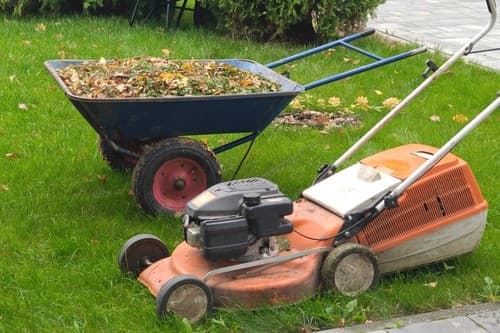
The most important autumn services generally include mowing, fertilization, weed control, leaf removal, and improvements to thin or compacted turf. The exact combination depends on the grass species and its condition after summer. We can assess your lawn’s condition and recommend the services it needs before temperatures drop further.
Adjusting mowing as grass growth changes
Cool-season grasses commonly found in Illinois often experience renewed growth as summer heat fades. This means mowing may remain necessary during autumn, although the frequency usually changes as temperatures decline.
Why cutting height still matters
Removing too much grass at once can stress the turf, especially when it is recovering from dry or hot weather. We adjust our mowing schedules based on your lawn’s growth and avoid cutting the grass unnecessarily short. Cutting practices should also account for the grass species and conditions on the property.
As growth slows toward winter, mowing intervals can become longer. The timing of the final mowing visits depends on weather conditions and whether the grass is still actively growing.
Fertilization supports recovery from summer
Many lawns experience stress during hot weather, particularly when rainfall has been limited. Cooler autumn temperatures create another period of active growth for many turf species used throughout central Illinois. For cool-season grasses, fall fertilization and turf maintenance can support recovery from summer stress while active growth resumes.
Before recommending fertilization, we consider your lawn’s condition and any previous treatments to avoid unnecessary applications. Applying additional nutrients without considering those factors can lead to unnecessary applications.
Fall weed control addresses seasonal growth
Weeds don’t all stop growing when summer ends. Some established broadleaf varieties remain active during cooler weather, while certain winter annuals are beginning their growth cycle. This makes autumn an important time to review ongoing weed problems.
Because many perennial weeds remain active during cooler weather, tackling stubborn lawn weeds in fall can help reduce their growth the following spring. Professional treatment can target appropriate species while they are still actively growing. Product selection and application timing should also account for any planned seeding work.
Aeration and overseeding can address summer wear
Heavy use and compacted soil can restrict how easily air and water reach grass roots. When these conditions are present, core aeration may be beneficial during an appropriate growing period.
Compacted ground
Core aeration removes small plugs of soil, helping relieve compaction and improve movement of water and air into the ground. We evaluate your soil conditions and the grass’s growth stage to determine whether aeration is appropriate.
Thin or bare areas
Overseeding introduces grass seed into an existing lawn to help improve coverage. Late summer through early fall, generally mid-August to mid-September in central Illinois, provides favorable conditions for overseeding cool-season grasses. Seeding later in autumn may leave insufficient time for new grass to establish before winter. Professionals can evaluate the timing and coordinate seeding with other treatments to avoid interference with germination.
Leaf removal helps prevent excessive coverage
Fallen leaves are a normal part of autumn, but thick layers can cover grass for extended = periods. When leaves accumulate heavily, they reduce the light reaching the turf and may hold moisture against the surface.
Our seasonal cleanup services help remove excess leaves and debris before they begin affecting your lawn’s health. In suitable conditions, finely mulched leaves may also be incorporated into the turf. The amount of leaf coverage determines which approach is appropriate. Properties with mature trees often require more frequent attention during the busiest part of the season.
Seasonal observations help with future planning
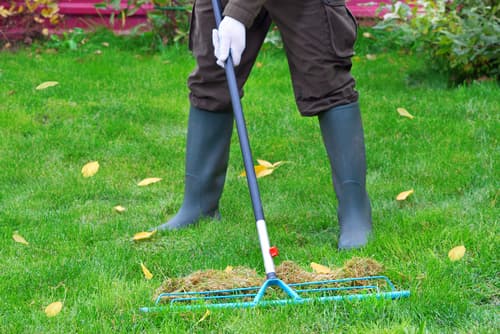
The final maintenance visits of autumn provide an opportunity to identify areas that may need attention when growth resumes. Poor drainage, compacted sections, and recurring bare spots can influence the services recommended for the following year.
Winter is also a good time to plan your lawn’s annual maintenance schedule, using observations from autumn to identify which areas may need attention when spring arrives. Reviewing the property’s condition after autumn allows contractors to identify priorities before spring demand increases. We also consider how freezing and thawing can affect your lawn, particularly when uneven patches or surface damage become visible after winter.
Who offers reliable full-service lawn care in Decatur, IL throughout autumn?
At Classy Grass, we excel in mowing, fertilization, weed control, core aeration, overseeding, and professional yard cleanup services. Our team adjusts its recommendations according to your property’s condition and the work needed as the seasons change.
We offer customized maintenance schedules and leaf removal services to help homeowners manage autumn growth and debris. Our six-step fertilization program also supports continued turf maintenance throughout the year.
For properties near Scovill Zoo and across Decatur, we can help coordinate the services needed before winter arrives. Contact our team to discuss your yard and arrange a seasonal maintenance plan.