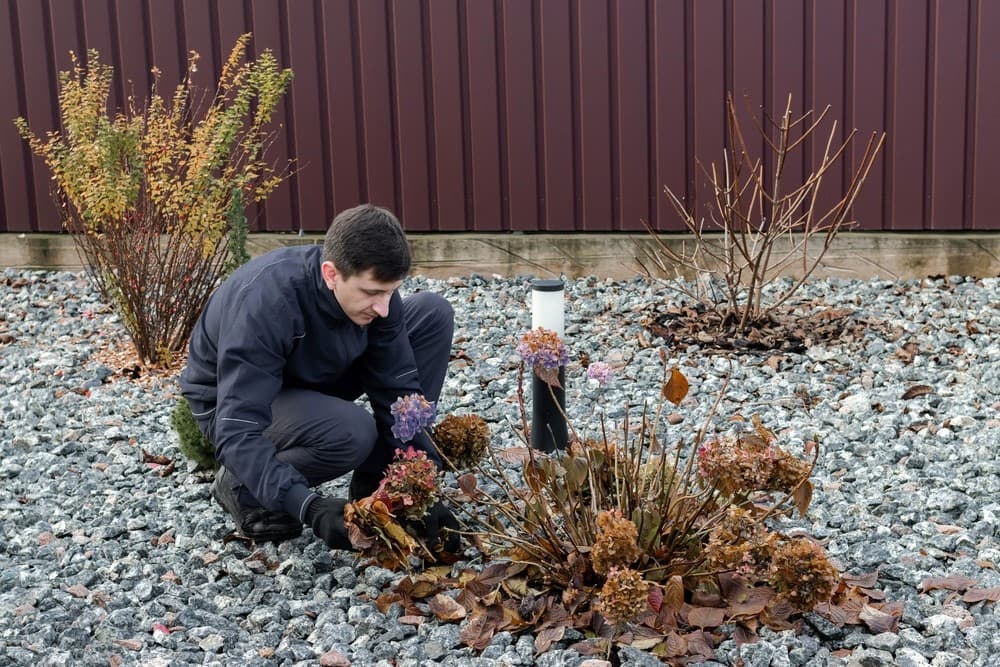
As temperatures begin to drop and the growing season approaches its end, it’s easy to assume that lawn weeds are winding down for the year, too. Yet some of the most persistent varieties remain active well into autumn. Others are only beginning to grow, even as the rest of the yard prepares for winter. This makes fall an important period for lawn care in Decatur, particularly when weeds have been a recurring problem throughout the growing season.
What happens beneath the soil during these cooler months can influence how quickly unwanted plants return. Below, we’ll explain why fall weed control matters and how our professional lawn care services in Decatur can help prepare your yard for the colder months.
Why do some lawn weeds continue growing in the fall?
Some weeds remain active during autumn because they are adapted to cooler temperatures or are storing energy for winter. Others germinate during the fall and establish themselves before the ground freezes. The type of weed determines what happens next, which is why identifying the species matters before selecting a treatment.
Perennial weeds are preparing for winter
Dandelions and creeping Charlie are examples of perennial broadleaf weeds. They survive from one growing season to the next through established root systems.
As daylight decreases and temperatures cool, these plants direct more of the carbohydrates they produce toward their roots, building energy reserves for winter.
This helps them survive winter and resume growth when warmer conditions return. Their leaves may remain green during autumn, even when nearby grass has slowed considerably. Below ground, the plants are preparing for another growing season.
Some weeds begin growing in autumn
Not every weed follows the same seasonal pattern. Winter annuals, including chickweed and henbit, typically germinate in late summer or fall. These plants establish themselves during cooler weather and may survive through winter before resuming growth in spring.
Why they become noticeable later
Young winter annuals can remain small during autumn. As temperatures rise, they begin growing more rapidly and eventually produce flowers and seeds. By the time they become obvious in spring, many have already been present for months.
That’s why seasonal lawn care requires different approaches, as the weeds we target in fall aren’t always the same ones that cause problems in spring. The weeds that require attention can change significantly throughout the year.
Different growth cycles require different treatments
Perennial broadleaf weeds and winter annuals respond differently to treatment because of their growth habits. We identify the weeds present in your lawn and assess whether they’re actively growing before recommending treatment. Timing also matters because treatments depend on the plant’s stage of development. A yard with recurring dandelions may require a different approach from one experiencing widespread chickweed germination.
Can treating weeds in autumn reduce their growth in spring?
Yes. Autumn treatment can reduce spring weed populations by targeting established perennial plants before winter and addressing certain annual weeds early in their growth cycle. However, effectiveness depends on the species, treatment method, and weather conditions. A single application cannot eliminate every weed or prevent new seeds from germinating later.
Fall treatment can target established perennial weeds
Perennial weeds move nutrients toward their roots as they prepare for dormancy. This seasonal process makes autumn a useful period for certain systemic herbicide treatments. As weeds move energy toward roots, certain systemic treatments can also reach the underground structures that help them survive winter. A properly selected treatment can therefore address more of an established weed than its visible leaves alone.
Timing depends on active growth
Cooler weather can provide favorable treatment conditions, but weeds must still be actively growing for many post-emergent herbicides to work effectively. After a hard freeze, many weeds may stop actively growing, reducing the effectiveness of certain post-emergent herbicides.
Matching treatment to the weed
Before selecting a treatment for your lawn, we consider several factors:
- Weed identification: Different species require different control methods.
- Growth stage: Established plants and new seedlings may respond differently.
- Weather conditions: Temperature and recent frost can influence treatment effectiveness.
- Turf condition: Thin or stressed grass may require additional attention.
- Existing treatments: Previous applications and planned seeding can affect product selection.
For example, certain products used to prevent weed germination can also interfere with new grass seed. Treatment planning needs to account for any overseeding scheduled for the property.
Healthy grass can help limit future weed growth
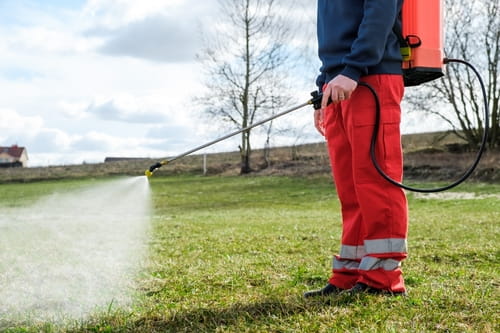
Thick, established turf leaves fewer open areas where weeds can take hold. When grass has thinned after summer stress, unwanted plants have more opportunities to become established. Depending on your lawn’s condition, we may recommend fertilization and seasonal maintenance to encourage healthier, denser grass.
We can use the quieter winter months for planning next year’s lawn maintenance, taking into account which weeds returned and how well previous treatments worked. If your lawn develops bare or uneven patches after winter, we can also check for damage caused by freezing and thawing before recommending the appropriate treatment.
Autumn treatment can reduce existing weed populations, but dormant seeds may remain in the soil. Continued maintenance is often necessary as different species emerge throughout the year.
Who provides professional lawn care in Decatur, IL for fall weed problems?
At Classy Grass, we specialize in professional weed control and fertilization services to help homeowners tackle persistent weeds before winter. Our team evaluates the condition of your grass, identifies areas that need treatment, and develops a schedule suited to your property’s needs.
We offer customized fertilization and herbicide services, with treatments selected according to the weeds present and the condition of your yard. Our broader maintenance services can also support continued turf health as the seasons change.
Whether your property is near Lake Decatur or elsewhere in the city, we’re ready to help you address seasonal weed problems. Call us today to discuss your lawn’s condition and schedule professional service.